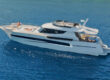
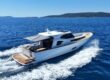
A lobster yacht is a motor yacht inspired by the practical working boats once used for lobster fishing along the coast of Maine and the broader Down East region of the northeastern United States. What began as a rugged commercial boat evolved into a refined leisure vessel known for its elegant lines, efficient hull, protected wheelhouse, and strong performance in changing sea conditions.
The appeal of a lobster yacht comes from that balance of heritage and comfort. It carries the visual character of a classic lobster boat, yet it is built for cruising, entertaining, and relaxed time on the water rather than hauling a trap line or working a fishing route.
The origin of the lobster yacht style
The original lobster boat was designed for a demanding job. Fishermen needed a reliable craft that could leave harbor early, travel efficiently through choppy coastal water, and return safely with gear and catch. That need shaped a very specific design language: a seaworthy hull, a practical deck layout, a sheltered helm, and a sharp bow capable of handling rougher conditions.
Over time, naval architects and yacht builders recognized that these same qualities were highly desirable for private owners. The result was the lobster yacht, a leisure-oriented type of motor yacht that keeps the spirit of the working lobster boat while adding more refined materials, more comfort, and a more sophisticated onboard experience.
This is why people often associate the lobster yacht with terms such as Down East, downeast boat, or downeast styling. While there can be subtle differences depending on the builder, the shared identity is clear: timeless profile, purposeful engineering, and confident coastal cruising.
Key features that define a lobster yacht
A lobster yacht is easy to recognize once you know what to look for. Its shape is not accidental; each element grew from function.
A distinctive hull and profile
Most lobster yachts feature a relatively narrow, efficient hull with a fine entry at the bow. This helps the vessel move smoothly through the sea and maintain composure when conditions become less predictable. The profile is usually clean and low, giving the yacht a sleek but understated look.
The design often includes a long foredeck, gently curved sheerline, and a cockpit that feels connected to the rest of the boat. These proportions create the elegant silhouette that made the lobster yacht famous.
A protected helm and practical layout
One hallmark of the lobster style is the protected helm area. Traditional fishing boats needed shelter from wind and spray, and modern lobster yachts preserve that advantage. Many models feature an enclosed or semi-enclosed wheelhouse, often paired with wide side decks for easier movement from stern to bow.
This layout works especially well for owners who enjoy day trips, weekend cruising, or extended coastal passages. It feels secure, efficient, and easy to live with.
Strong motor performance
A lobster yacht is typically a motor yacht, meaning propulsion and handling are central to its identity. Depending on the size and configuration, it may use inboard diesel power, shaft drive systems, or other setups chosen for reliability and cruising efficiency. The engine arrangement is usually selected to support smooth passage-making rather than extreme speed alone.

That does not mean the boat is slow. Many lobster yachts deliver a satisfying blend of pace, stability, and fuel-conscious operation, which is part of their long-term appeal.
How a lobster yacht differs from a traditional lobster boat
A traditional lobster boat is fundamentally a working platform. Its priorities are deck space, durability, and everyday utility for commercial fishing. A lobster yacht, by contrast, takes the recognizable form of that boat type and reinterprets it for private use.
The difference appears in several areas:
- Interior comfort, with cabins, lounges, and premium finishes
- Refined design, with carefully integrated details and cleaner lines
- Leisure-focused layouts, often optimized for socializing and cruising
- Enhanced materials and equipment, suited to modern yachting expectations
In other words, the lobster yacht keeps the soul of the classic lobster boat but changes the purpose. It is no longer a tool of trade; it becomes a sophisticated cruising yacht.
Why this design remains popular
The continued popularity of the lobster yacht is not only about nostalgia. Owners are drawn to this style because it solves real boating needs in a graceful way.
Its hull shape and protected superstructure help create a reassuring ride in varied sea conditions. Its proportions suit coastal cruising particularly well, whether the itinerary involves island hopping, harbor visits, or longer passages. The visual identity also matters. A lobster yacht does not chase trends; it carries a classic presence that tends to age well.
That is especially relevant in markets where owners want a motor yacht that feels elegant without appearing overstated. The lobster yacht answers that preference with quiet confidence, a quality often discussed in the thinking behind Monachus Yachts.
The Mediterranean interpretation of the lobster yacht
Although the concept has roots in Maine and the east coast of the United States, the lobster yacht has adapted extremely well to Mediterranean boating. In this setting, builders often preserve the recognizable Down East character while tailoring the vessel for warmer climates, outdoor living, and longer leisure cruises.
That may include larger sun areas, more open aft spaces, upgraded bathing platforms, and interiors designed for family comfort. The result is a lobster yacht that still reflects the DNA of the original lobster boat, yet feels perfectly at home in modern Mediterranean marinas and anchorages, much like the Monachus yacht range.
This evolution explains why the lobster yacht remains such a relevant type of boat today. It combines proven maritime logic with enduring beauty: a capable hull, a purposeful bow, reliable motor power, and a design language shaped by real life at sea. Far from being just a stylistic reference, it is a yachting concept built on function, character, and lasting appeal, as seen across the broader yacht collection.