


Buying a yacht is only the beginning. Long-term ownership costs extend well beyond fuel and marina fees and often shape the ownership experience more than buyers initially expect. Understanding these factors early helps owners make more confident and sustainable decisions.
For anyone considering yacht ownership — especially in the Mediterranean — understanding the full running costs helps create a realistic budget and a more enjoyable ownership experience.
Marina and berthing costs
Marina fees are often the first annual cost new owners consider, but the final price depends heavily on location, yacht size, season, and berth availability. A vessel based in a prestigious marina near popular cruising areas will usually carry higher berthing costs than one kept in a quieter harbor.
A seasonal berth can offer convenience and predictability, particularly for owners who return to the same cruising region each year. It keeps the yacht accessible, simplifies service coordination, and often provides shore power, water, security, and marina assistance.
Guest marinas are another factor. During peak summer months, short-term berthing fees can rise significantly, especially in highly desirable destinations. Owners planning routes through the Adriatic, Greek islands, or Western Mediterranean should include these temporary stays in their annual budget.
Location also affects availability. In popular coastal areas, securing the right marina berth may require early planning, especially for larger yachts. Service levels also vary between marinas, which can influence both convenience and total ownership cost over the course of the year.
The largest ownership costs are rarely the ones buyers expect before purchase.
Maintenance and preventive service
Maintenance is one of the most important parts of yacht ownership because it protects performance, safety, comfort, and long-term value. A yacht is a complex vessel exposed to saltwater, sun, humidity, vibration, and constant mechanical load.
Routine maintenance typically includes cleaning, antifouling, engine checks, battery care, water system inspection, air-conditioning service, and safety equipment checks. Even when the yacht is not used frequently, systems still require attention.
Annual servicing is especially important for engines, generators, propulsion systems, navigation electronics, pumps, and onboard comfort equipment. The cost will depend on the size of the boat, engine type, usage hours, and whether parts need replacement.
Technical inspections also play an important role in identifying wear before it becomes a larger issue. Regular checks of electrical systems, hull condition, mechanical components, and safety equipment help reduce unexpected service interruptions.
Preventive care is often less expensive than reactive repairs. A well-maintained yacht is more reliable, easier to sell, and more enjoyable for the owner. Preventive care also helps reduce downtime, which is especially important during the main cruising season.
How usage changes ownership costs
How a yacht is used can significantly affect its annual cost. A boat used occasionally for private cruising may have a different maintenance schedule, fuel profile, and service pattern than one used for extended trips throughout the season.
Private cruising often creates more predictable wear and allows owners to plan maintenance around a stable routine. Extended seasonal use, on the other hand, increases engine hours, demand on onboard systems, and the need for more frequent technical attention.
Some owners also consider selective charter opportunities as a way to balance ownership cost. While this can help offset certain expenses, it also raises operational intensity and may lead to additional cleaning, servicing, inspections, and administrative requirements.
In practice, usage is one of the biggest factors shaping the real running cost of any yacht. The more intensively a vessel is used, the more important planning, support, and maintenance discipline become.
Crew and owner support
Not every yacht requires a permanent crew. Many owner-operated motor yachts are designed for practical handling, especially in sizes suited to family cruising and weekend use. However, as yacht size increases, crew costs may become relevant.
Crew expenses can include salary, accommodation, uniforms, travel, food, insurance, and seasonal contracts. Even without full-time crew, many owners use local support for cleaning, technical checks, provisioning, route preparation, or pre-departure inspection.
Owner services can make a significant difference. Having a trusted local coordinator helps manage service appointments, marina communication, seasonal preparation, and unexpected technical issues. For owners who do not live near their yacht year-round, this support can protect both time and value.
Convenience and time savings are often underestimated in yacht ownership. Reliable support on the ground can simplify the experience and make spontaneous use of the vessel much easier.
Insurance and compliance
Yacht insurance is another essential cost. Coverage options vary depending on vessel value, cruising area, owner experience, yacht size, and intended use. A policy may cover damage, liability, theft, machinery issues, personal effects, or emergency assistance, but exclusions and conditions should always be reviewed carefully.

Documentation is also part of the ownership process. Registration papers, service records, compliance certificates, and equipment documentation all support smoother insurance handling, resale preparation, and cross-border cruising.
Insurance companies may require a professional survey, especially for older vessels or higher-value yachts. Survey requirements can also influence maintenance decisions because insurers often expect documented service history and compliance with safety standards.
Regional differences matter as well. A yacht cruising only locally may have different insurance conditions than one moving between countries or operating in busier Mediterranean areas. Owners should ensure that their coverage matches real cruising plans, not just the marina where the yacht is usually berthed.
Well-planned ownership is usually more enjoyable than lower-cost ownership.
Winter storage and seasonal preparation
In many cruising regions, winter storage is a major part of the annual ownership budget. Haul-out fees, transport within the shipyard, dry storage, covering, and technical winterization all add to the total cost.
Proper seasonal preparation protects engines, plumbing, batteries, upholstery, electronics, and exterior surfaces. Salt residue, moisture, and temperature changes can cause damage if the vessel is left without adequate care.
Some owners keep their yacht in the water year-round, while others prefer dry storage for easier inspection and maintenance. The best option depends on climate, marina facilities, hull material, yacht size, and the owner’s cruising schedule.
The main goal of winter storage is not only convenience, but also protection of the yacht’s long-term condition and readiness for the next season.
Upgrades and long-term value
A yacht is not a static purchase. Technology, design preferences, comfort expectations, and navigation systems evolve over time. Owners may choose technology upgrades such as improved electronics, stabilization equipment, more efficient onboard systems, or enhanced connectivity solutions.
Interior refreshes can also influence enjoyment and resale readiness. Updated upholstery, lighting, finishes, and layout details may better reflect owner preferences while keeping the yacht attractive on the market.
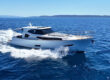
Long-term value is shaped by build quality, brand reputation, maintenance discipline, and how suitable the yacht remains for its intended use. This is where thoughtful design and reliable construction matter. Boutique builders such as Monachus Yachts focus on comfort, seaworthiness, ergonomics, and semi-custom details that support practical ownership as well as emotional appeal.
Well-built yachts with strong after-sales support and consistent maintenance often preserve value more effectively over time. Ownership experience can influence resale as much as design and specifications.
Can charter offset ownership costs?
Some owners consider chartering their yacht to reduce annual expenses. Selective charter can help offset running costs, but it should be planned carefully. Charter use increases engine hours, wear on interiors, cleaning needs, insurance requirements, and management complexity.
A yacht prepared for charter may need additional safety equipment, commercial registration, professional crew, local permits, and stricter maintenance schedules. The owner must also accept that charter guests will use the vessel differently than a private family would.
For some yachts, limited charter during peak periods can make financial sense. For others, the administrative effort and additional wear may outweigh the benefit. The decision should be based on realistic income, operational costs, tax considerations, and how much personal use the owner wants to preserve.
For owners who value flexibility, selective charter may work best as a controlled option rather than a primary ownership strategy.
Planning ownership around real use
The real value of yacht ownership is not minimizing costs — but understanding them and building ownership around the way you actually want to use your yacht.
A realistic annual budget includes marina fees, fuel, maintenance, insurance, service, storage, upgrades, and owner support. When these elements are considered from the beginning, the yacht becomes more than a purchase. It becomes a carefully managed lifestyle asset, ready for weekends at sea, family cruising, longer passages, and quiet moments in sheltered bays.
Explore Monachus Owner Services
Book Your Adriatic Sea Trial
2 Comments